Ever wonder why a business purchasing manager takes weeks to choose a software system, but a consumer might buy a new gadget on impulse? Buying habits differ, and understanding these differences helps marketers and businesses cater their approaches more effectively. The buying processes in B2B (business-to-business) and B2C (business-to-consumer) transactions are unique, and each involves its own challenges and strategies.
Quick Takeaways
- B2B buying involves longer decision-making cycles, while B2C purchases often happen more quickly.
- B2B decisions require input from multiple stakeholders, unlike most B2C purchases.
- Emotion influences B2C buying more heavily than it does in B2B transactions.
- B2B buyers prioritize value, long-term benefits, and relationships over the immediate satisfaction that B2C buyers seek.
Complexity and Time in Decision-Making
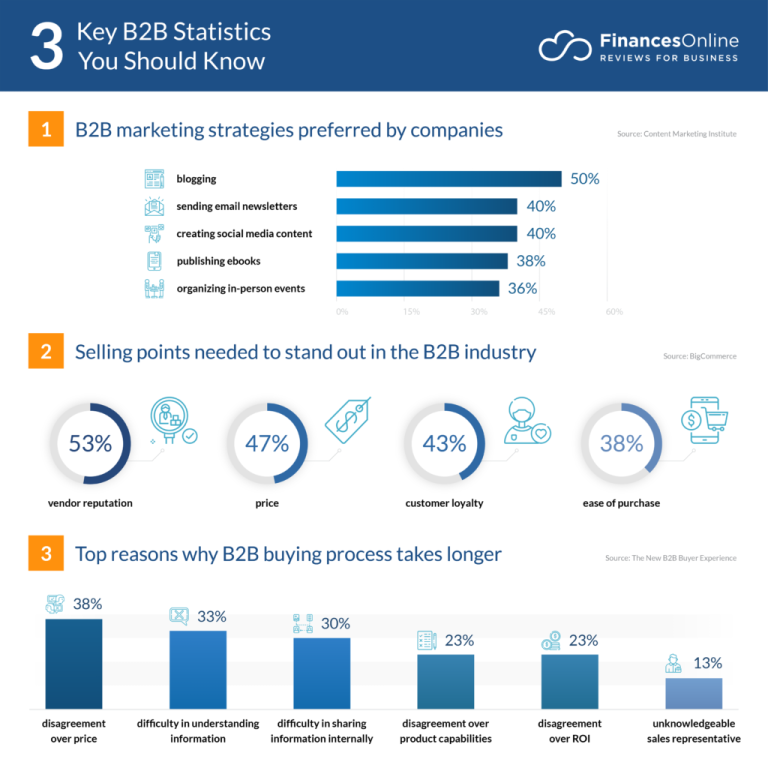
Buying a fleet of trucks for a company or choosing a data management platform isn’t something done over a lunch break. B2B buying involves a thorough process with many layers. Committees, research teams, and approvals create longer cycles.
Each decision needs detailed analysis to minimize risks and secure value over time. B2C buyers, on the other hand, face far fewer obstacles. Most consumer purchases, even significant ones, wrap up faster than B2B transactions because there are fewer approvals and considerations involved.
Stakeholders and Group Decisions
B2B purchases often require consensus. A manager may initiate a proposal, but teams of stakeholders, such as finance, engineering, IT, and manufacturing, review and approve the choice. Everyone needs to feel the investment benefits the company’s goals.
In contrast, B2C buyers rely mostly on personal judgment or consult close family or friends. Even when consumers shop for big-ticket items like cars or homes, decision-making rarely matches the layered group processes seen in B2B scenarios.
Emotional Triggers vs. Logical Persuasion
Buying a pair of shoes or booking a vacation often stirs emotions. Brands use storytelling, visuals, and relatable messaging to connect with consumer feelings. B2C transactions tap into excitement, aspiration, or even impulse. B2B buyers think differently.
Decisions hinge on logic, data, and proven outcomes. Trust, quality, and the potential return on investment dominate their priorities. Although emotions still play a role in B2B, they don’t steer the purchase as strongly as they do in consumer choices.
Value Perception and Cost Concerns
Consumers often think short-term. They want quick satisfaction and base value perception on personal use and experience. A shiny new gadget or trendy clothing may be justified for its immediate payoff. B2B buyers focus on long-term results. Decisions reflect investments rather than expenses.
Let’s say a company considering a new production supply chain solution wants to understand how it will improve efficiency and reduce costs over several years, and whether the ongoing maintenance and support justify the investment. Factors such as supplier discounts, contract terms, and after-sales service are crucial in determining how the business perceives the overall value of the solution.
Marketing Approach Differences
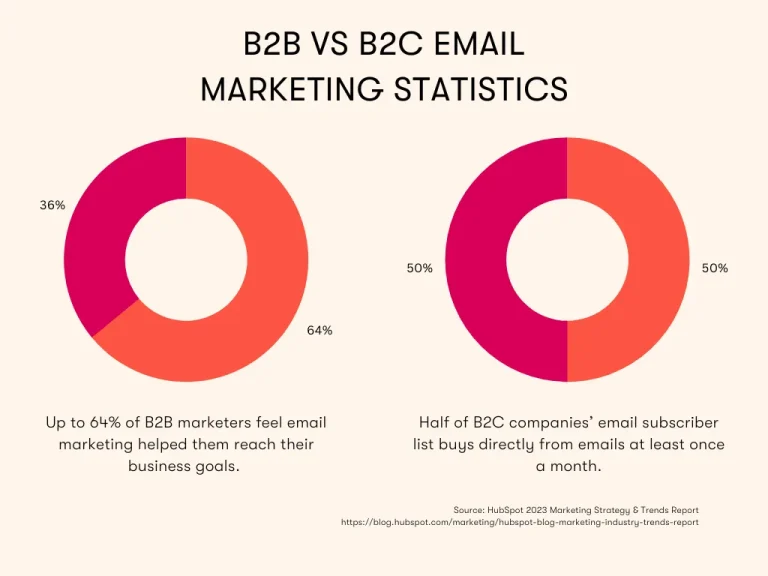
Consumers often think short-term. They want quick satisfaction and base value perception on personal use and experience. A shiny new gadget or trendy clothing may be justified for its immediate payoff. B2B buyers focus on long-term results. Decisions reflect investments rather than expenses.
Let’s say a company considering a new production supply chain solution wants to understand how it will improve efficiency and reduce costs over several years, and whether the ongoing maintenance and support justify the investment. Factors such as supplier discounts, contract terms, and after-sales service are crucial in determining how the business perceives the overall value of the solution.
Customization and Complexity of Solutions
Buying a smartphone or a meal plan involves picking from available options. In B2C, products usually offer fewer customization needs. In B2B, businesses often require solutions that fit their unique processes and standards. Vendors may need to adjust their offerings, customize features, or adapt services to match what a business needs. Personalization plays a big role, as off-the-shelf solutions might not satisfy all requirements.
Post-Purchase Relationships
Customer service matters to everyone, but B2B relationships take a different path. After a purchase, businesses rely on vendors for ongoing support, updates, and collaboration. These relationships impact future transactions. Trust built through reliable service and transparent communication becomes a reason for repeat business. In contrast, consumers might switch brands quickly if a product doesn’t meet expectations or if a better deal pops up. The connection between B2C buyers and sellers stays more transactional.
Technology and Buying Channels
Consumers shop on websites, apps, or visit stores. B2C buying has more accessible touchpoints that let buyers jump from browsing to checkout easily. For B2B buyers, research starts online too, but buying cycles often include in-person meetings, video calls, and demonstrations.
Decision-makers review vendor websites, read industry reviews, and request proposals. Software and solutions might involve trials or phased rollouts before a full commitment. The channel complexity in B2B buying means that a single phone call or click rarely seals the deal.
Impact of Social Proof and Referrals
Social proof plays an essential role in both B2B and B2C transactions but shows up differently in each. Consumers often trust product reviews, social media testimonials, or influencer endorsements to inform their buying decisions.
A glowing recommendation from a friend or popular figure can prompt immediate purchases. For B2B buyers, the stakes are higher, so social proof comes in the form of case studies, industry-specific testimonials, and professional recommendations. Peer reviews from similar companies and word-of-mouth within the industry weigh heavily on a decision.
A well-placed endorsement or positive feedback from a respected business can build confidence in a vendor’s offerings. B2B buyers often reach out to their professional network for referrals, seeking opinions on whether a product or service meets their expectations. Understanding these dynamics helps businesses position their offerings effectively to both individual consumers and corporate decision-makers.
B2B or B2C?
Understanding the distinctions between B2B and B2C buying helps marketers, sellers, and strategists make informed decisions. From decision timelines and emotional triggers to the level of stakeholder involvement and post-sale relationships, each approach brings its own playbook. Marketers who align their strategies with the unique traits of B2B or B2C buyers create pathways to success.
ISBM equips members with the tools and knowledge to address the nuances in the B2B buying process. Membership opens access to research, expert networks, and practical guidance for crafting strategies that resonate with B2B buyers. Joining us connects businesses with resources that refine their marketing approaches, boosting effectiveness and growth in today’s market.