Selling new products is a pivotal challenge that sets successful companies apart. While innovation is crucial, the true test is effective commercialization. Many firms find it tough to navigate the intricacies of selling innovations, a key to unlocking R&D returns.
This article leverages insights from Thomas Steenburgh of the Darden School of Business and ISBM Fellow, Michael Ahearne of the Bauer College of Business, as featured in the Harvard Business Review, to address these challenges. It underscores the importance of a learning-centric approach and deep customer psychology understanding, offering strategies to adeptly navigate the complexities of new product sales and achieve market success.
Quick Takeaways
- Businesses face unique challenges when selling new products, including customer resistance to change and the need for extensive customer education and engagement.
- Embracing a learning mindset, as opposed to a purely performance-focused one, equips sales teams with the resilience and adaptability needed for the complexities of new product sales.
- Developing a sales process specific to new products, focusing on customer education, trust-building, and handling objections, is essential for successful adoption.
- Utilizing strategic account management and providing comprehensive training and support to sales teams are crucial strategies to enhance the success rate of new product introductions.
Understanding the Unique Challenges of Selling New Products
When it comes to selling new products, businesses face a distinct set of challenges that diverge significantly from those encountered with established offerings.
The initial enthusiasm for innovative products can quickly wane as customers grapple with the prospect of altering their established routines or adopting new technologies. This resistance often manifests later in the sales cycle, turning initial interest into hesitance or outright rejection.
A primary challenge is the shift in customer behavior that new products often necessitate. Unlike established products, which rely on existing demand and familiarity, new products require sales teams to not only sell a product, but also the concept and the change it represents. This involves:
- Educating customers
- Addressing concerns about the unknown
- Demonstrating clear value that resonates with their specific needs and circumstances
Moreover, the sales process for new products demands more intensive engagement. Sales representatives spend a significant amount of time in face-to-face meetings, fostering relationships, and building trust.
The Importance of a Learning Mindset Over a Performance Focus
In the context of selling new products, adopting a learning mindset is paramount. Unlike a performance-focused approach that prioritizes short-term achievements and accolades, a learning mindset encourages sales teams to embrace the inherent challenges and uncertainties of selling new products as opportunities for growth and development.
Salespeople with a learning orientation are more adept at navigating the complexities of new product sales. They are inclined to invest time in:
- Understanding the market
- Experimenting with different strategies
- Engaging with customers to uncover their needs and concerns
This approach not only equips them with deeper insights, but also fosters resilience and adaptability—qualities essential for long-term success in new product sales.
A learning mindset also influences how sales teams perceive and respond to setbacks. Rather than viewing challenges as failures, they see them as valuable feedback and learning opportunities. This perspective is crucial in the volatile terrain of new product sales, where initial strategies may need continuous refinement to align with evolving market dynamics and customer insights.
By prioritizing learning over immediate performance, sales teams develop a robust foundation of knowledge and skills that empower them to effectively sell new products. This not only enhances their ability to engage with customers, but also contributes to a more strategic and adaptive sales approach.
Developing a New Sales Process
Selling new products necessitates a distinct sales process that diverges from the traditional methods used for established offerings. This new process must be tailored to address the unique challenges and dynamics involved in selling innovation. One of the first steps is to understand that the sales cycle for new products is often longer and more complex, requiring more extensive customer education and engagement.
Given that new products often introduce unfamiliar concepts or technologies, educating potential customers becomes a critical component. This education goes beyond product features and benefits; it encompasses the broader impact on the customer’s business processes and industry trends.
Importantly, the sales process for new products demands more intensive engagement. On average, salespeople who sell new products spend 32% more time meeting customers face-to-face than do other reps. This increased time spent in face-to-face meetings is crucial for fostering relationships and building trust, as it helps potential customers overcome the inertia of the status quo.

With new products, sales representatives must invest more time in building relationships and trust with potential customers. This involves deep listening, understanding customer needs at a granular level, and demonstrating how the new product aligns with their goals and challenges.
Customer Education
Given that new products often introduce unfamiliar concepts or technologies, educating potential customers becomes a critical component. This education goes beyond product features and benefits; it encompasses the broader impact on the customer’s business processes and industry trends.
Engagement and Trust Building
With new products, sales representatives must invest more time in building relationships and trust with potential customers. This involves deep listening, understanding customer needs at a granular level, and demonstrating how the new product aligns with their goals and challenges.
Handling Objections
Resistance and objections are more common with new products as they push customers out of their comfort zones. Sales teams need to be adept at identifying and addressing these objections, showcasing the value and addressing the risks associated with the change.
Collaborative Solution Development
Involving customers in the development of the solution can increase buy-in. This collaborative approach helps tailor the product’s application to the customer’s specific context, enhancing perceived value and reducing resistance.
The Importance of a Psychological Profile of the Ideal Buyer
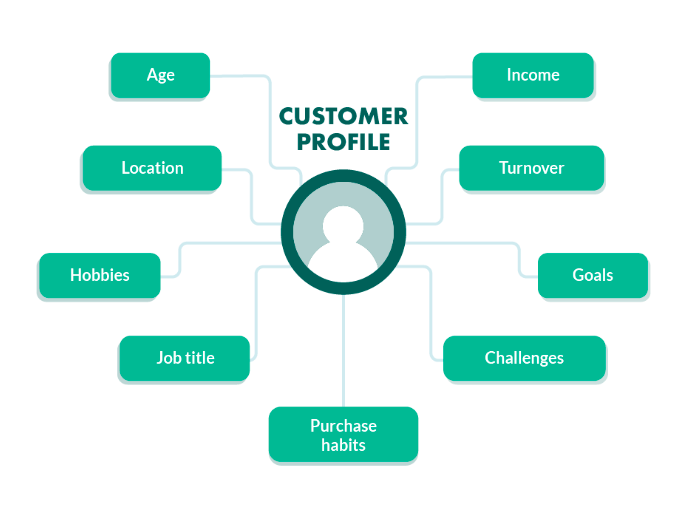
Understanding the psychological profile of potential buyers is crucial when selling new products. Not all customers are equally open to innovation, and identifying those who are more inclined to embrace new solutions can significantly improve sales efficiency and effectiveness.
Characteristics of an ideal buyer for new products might include:
- Openness to Change: Buyers who are naturally open to exploring new ideas and adopting innovative solutions are more likely to be receptive to new products.
- Early Adopters: These individuals or organizations often want to be at the cutting edge and are willing to take risks to gain competitive advantages.
- Industry Leaders: Companies that lead their industries often strive to maintain their positions through innovation, making them ideal targets for new products.
- Problem-Solvers: Buyers facing unique challenges or unserved needs might be more motivated to consider new and unproven solutions.
Developing a psychological profile helps sales teams target their efforts more effectively, crafting messages and strategies that resonate with the most receptive audiences. By aligning the sales approach with the characteristics and motivations of ideal buyers, organizations can improve the success rate of introducing new products to the market.
Key Traits and Competencies of Successful Salespeople
Success in selling new products often hinges on the specific traits and competencies of the salespeople. Individuals who excel in this challenging environment share several key characteristics that enable them to navigate the complexities of introducing innovations to the market.
Adaptability
Salespeople must be able to adjust their strategies and approaches in response to feedback and changing market conditions. This flexibility allows them to refine their sales tactics to better align with customer needs and concerns.
Resilience
The path to selling new products is fraught with rejections and setbacks. Resilient salespeople maintain their motivation and continue their efforts despite these challenges, learning from each experience to improve their future pitches.
Customer Empathy
Understanding and genuinely addressing the concerns and needs of potential buyers is crucial. Empathy enables salespeople to build stronger relationships and more effectively communicate the value of new products.

Strategic Thinking
Successful salespeople approach the sales process with a strategic mindset, planning their interactions carefully and considering the long-term implications of their relationships with customers.
Learning Orientation
A commitment to continuous learning and development helps salespeople stay informed about their product and the broader industry landscape, enhancing their credibility and effectiveness in customer interactions.
Strategic Account Management for New Products
Incorporating strategic account management (SAM) into the process of selling new products can significantly enhance success rates. SAMs focus on building deep, long-term relationships with key customers, which is particularly beneficial when introducing innovations.
- Long-Term Perspective: SAMs take a long-term view of customer relationships, prioritizing sustainable growth over immediate sales. This approach aligns well with the extended sales cycles often associated with new products.
- Cross-Functional Engagement: SAMs work across different functions within the customer’s organization, building broad-based support for new solutions and addressing a range of potential concerns and objections.
- Customized Solutions: Through their deep understanding of the customer’s business, SAMs are well-positioned to tailor new products to the customer’s specific context, enhancing perceived value and relevance.
- Trust and Credibility: The ongoing relationships maintained by SAMs foster trust and credibility, which are essential when encouraging customers to take the leap with a new product.
- Feedback Loop: The close customer connections maintained by SAMs provide valuable insights and feedback, which can be crucial for refining the product and its market positioning.
By leveraging strategic account management, companies can enhance their ability to introduce new products successfully, fostering adoption through trusted relationships and tailored engagement strategies.
Training and Support for Sales Teams
Equipping sales teams with the right training and support is pivotal for their success in selling new products. This support not only enhances their skills and knowledge, but also boosts their confidence when facing the unique challenges of new product sales.

- Product and Market Knowledge: Comprehensive training programs should cover in-depth knowledge of the new product and its market context, ensuring salespeople understand the innovation, its benefits, and its competitive landscape.
- Skill Development: Beyond product knowledge, sales teams need training in specific skills relevant to new product sales, such as handling objections, strategic selling, and consultative approaches that focus on customer needs and problem-solving.
- Resilience Building: Programs should also focus on developing psychological resilience, helping salespeople maintain their motivation and persistence in the face of the inevitable challenges and rejections that come with new product introductions.
- Learning and Adaptation: Encouraging a culture of continuous learning and adaptation helps sales teams refine their strategies based on real-world experiences and feedback, keeping them agile and responsive to market dynamics.
- Supportive Resources: Providing sales teams with adequate resources, such as sales enablement tools, customer relationship management (CRM) systems, and access to expert advice, can significantly enhance their effectiveness in selling new products.
Investing in extensive training and support enables companies to enhance their sales teams’ ability to tackle the challenges associated with new product sales, resulting in a more competent, well-informed, and versatile sales workforce.
A Succinct Strategy for New Product Sales Success
Effective new product sales hinge on a strategic approach that includes a tailored sales process, deep customer understanding, and skilled, adaptable sales teams. Strategic account management and targeted training are crucial for success.
By integrating these elements, organizations can navigate the complexities of new product sales, boosting growth and competitive advantage.
ISBM is a nonprofit, global network of business researchers and practitioners. Ask about how an ISBM Membership can help you now or visit ISBM today to learn more!