Pricing a Software as a Service (SaaS) product effectively is one of the most critical strategies for a business’s success in the digital marketplace.
Unlike traditional products, SaaS offerings demand a pricing approach that reflects the ongoing value they provide to customers, rather than a single transactional moment. This dynamic nature of SaaS makes the task challenging, but also presents an opportunity to develop a strategy that drives sustainable growth and customer loyalty.
In this guide, we explore essential strategies to address these challenges. By exploring the principles of value-based pricing and conducting a thorough competitive analysis, we aim to provide a comprehensive roadmap that equips you to price your SaaS product effectively, ensuring alignment with your market position and business objectives.
Quick Takeaways
- SaaS pricing is based on customer-perceived value influenced by brand strength, unique features, and overall impact.
- Effective implementation requires understanding customer needs through direct engagement and data analysis for tailored pricing.
- This strategy improves customer satisfaction, offers flexible pricing adjustments, and maximizes profits by aligning with perceived value.
- Determining perceived value involves continuous research and sophisticated analysis, posing significant challenges.
Understanding Value-Based Pricing
Value-based pricing hinges on how much customers are willing to pay for the software, which reflects their perceived value of the product. This perception is influenced by several factors, including the:
- Brand’s strength
- Product’s unique features
- Overall impact of the solution
A key to successful value-based pricing in SaaS is understanding these elements and how they contribute to customer satisfaction and willingness to pay.
Applying Value-Based Pricing
Implementing a value-based pricing strategy involves a deep dive into customer data and preferences. Businesses need to engage with both current and potential customers to gauge their needs and how they value the software. This engagement can be through direct conversations, surveys, or usage data analysis.
From this feedback, companies can identify which features are considered essential and which are viewed as nice-to-have, allowing them to differentiate their pricing tiers based on these insights.
Benefits of Value-Based Pricing
Adopting a value-based pricing model can provide numerous advantages:
- Customer-Centric: It aligns the price with the customer’s perceived value, which can improve customer satisfaction and loyalty.
- Flexible: Allows businesses to adjust prices more freely in response to changes in the market or in their product offerings.
- Profit Maximizing: By targeting the maximum price customers are willing to pay, companies can often achieve higher margins compared to cost-plus pricing.
Challenges and Considerations
While value-based pricing has its benefits, it also presents challenges. Determining the exact value perceived by customers can be complex and requires continuous research and adaptation.
Moreover, this strategy demands a clear understanding of different customer segments and their respective needs, which might involve sophisticated market research and data analysis capabilities.
Competitive Analysis in Pricing
Competitive analysis in the SaaS industry involves examining how similar products are priced, understanding the features offered by competitors, and assessing overall market trends. This analysis provides crucial insights that can influence not only pricing decisions, but also product development and marketing strategies.
A key statistic that highlights the importance of competitive analysis is the significant growth in the SaaS sector. As of late 2023, the SaaS market was valued at $258.6 billion and is expected to reach $374.6 billion by 2028.
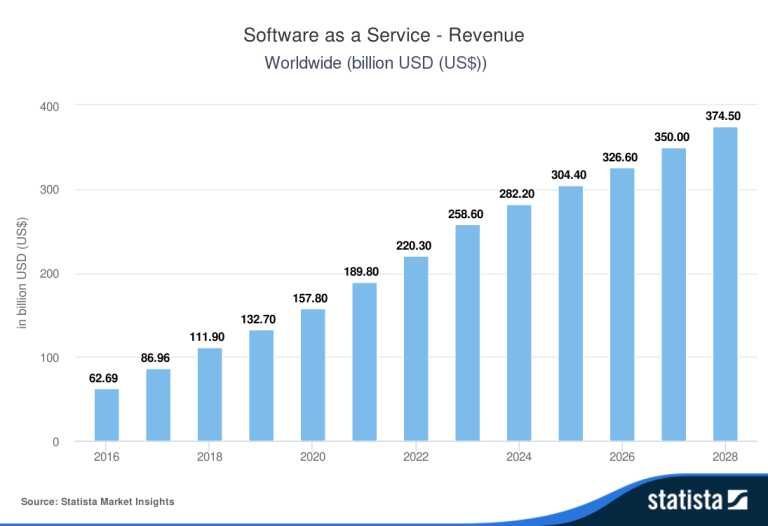
This massive market size and the expected growth indicate a highly competitive environment where effective pricing strategies can make a substantial difference in a company’s success.
Conducting Effective Competitive Analysis
- Market Positioning: Determine how your competitors are positioning themselves. Are they competing on price, features, service quality, or a combination of these? Understanding this can help you identify your unique value proposition.
- Feature Comparison: Analyze the features offered by competitors and their pricing models. This will help you identify which features are considered standard and which are unique add-ons that can command a premium price.
- Pricing Flexibility: Look at the pricing flexibility offered by competitors, such as discounts for annual payments, different tiers of service, and add-on features. This can help you structure a more competitive and attractive pricing model that appeals to a broader customer base.
- Customer Segmentation: Understand the customer segments targeted by your competitors. This can inform your own segmentation and pricing strategy, ensuring you meet the specific needs of different market segments effectively.
- Market Trends: Stay updated with overall market trends, such as the adoption of new technologies, changes in regulatory frameworks, and economic shifts that can affect pricing strategies.
Strategic Outcomes of Competitive Analysis
The insights gained from a thorough competitive analysis can lead to several strategic outcomes:
- Pricing Adjustment: Adjusting your pricing to better align with market expectations and competitor offerings.
- Product Differentiation: Enhancing or modifying features to provide clear differentiation from competitors, which can justify a higher price point or penetrate a market segment that is underserved.
- Targeted Marketing: Developing marketing strategies that highlight the unique aspects of your product, tailored to the needs and preferences of specific customer segments identified through competitive analysis.
Pricing Strategies for SaaS Products
Frequent updates to pricing and packaging are crucial for maintaining competitiveness and capitalizing on market trends. Over 94% of B2B SaaS pricing leaders update their pricing and packaging at least once per year, demonstrating the dynamic nature of SaaS pricing strategies.
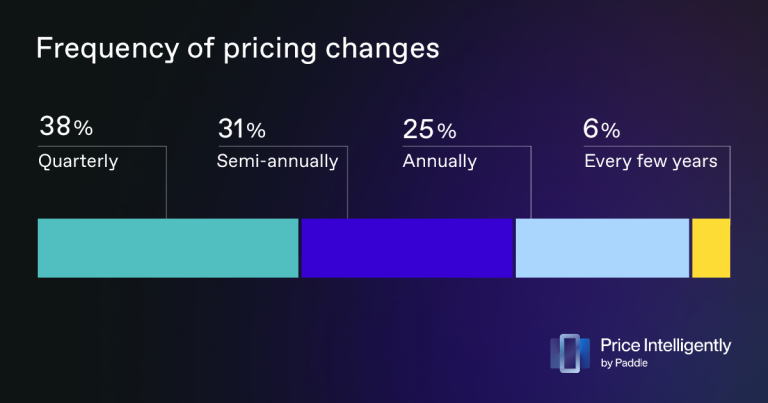
Regular updates can help companies adjust to macroeconomic conditions, technological advancements, and evolving customer expectations.
The choice of pricing strategy can significantly impact a company’s growth and customer retention. Here’s a look at some of the most effective pricing strategies for SaaS products:
1. Value-Based Pricing
This strategy involves setting prices primarily based on the perceived value to the customer rather than solely on costs or the market average.
According to a 2023 report by Paddle, 32.5% of B2B SaaS companies employ value-based pricing. This approach encourages SaaS companies to deeply understand their customers’ needs and how much they are willing to pay for the service.
2. Freemium Model
Offering a basic version of the software for free while charging for advanced features or capabilities is a popular strategy in SaaS. It allows potential customers to experience the core benefits before committing financially.
The 2023 State of SaaS Pricing report notes that 44.2% of B2B SaaS leaders make use of premium-tier free trials, which are a variant of the freemium model.
3. Tiered Pricing
This strategy involves creating different levels of product offerings, each with its own price point. Each tier offers progressively more value or features, catering to various segments of your market, from small businesses to large enterprises.
4. Usage-Based Pricing
Also known as pay-as-you-go, this model charges customers based on their usage levels. This can be an attractive option for customers with variable usage patterns and can help SaaS companies capture more value from heavy users.
5. Penetration Pricing
Initially setting lower prices to attract customers to a new product or service. This can be particularly effective in quickly building a large user base and disrupting established markets.
Customer Segmentation and Pricing Differentiation
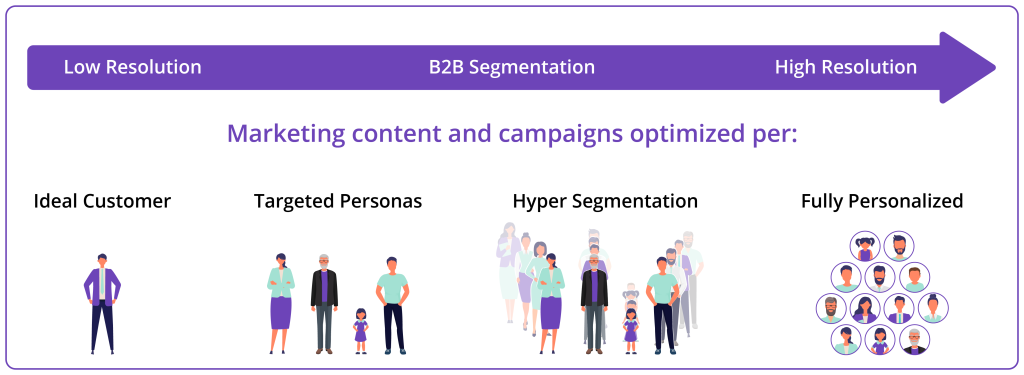
Customer segmentation involves dividing the customer base into distinct groups that share similar characteristics, such as:
- Demographics
- Behavior
- Specific needs
This practice is crucial because it allows for more targeted marketing, product development, and pricing strategies.
Strategies for Effective Segmentation
- Demographic Segmentation: This involves grouping customers based on demographic factors such as age, gender, or company size. It’s particularly useful for B2B SaaS companies, allowing them to tailor features and pricing according to the size and type of organization.
- Behavioral Segmentation: Here, customers are segmented based on their interaction with the product, such as usage frequency or preferred features. This segmentation helps in understanding which features are most valued by customers, guiding the development of tiered pricing models that align with usage levels.
- Geographic Segmentation: Segmenting customers based on location can help customize pricing in different markets, accommodating varying economic conditions and competitive landscapes.
- Needs-Based Segmentation: Identifying the specific needs and challenges of different customer groups allows for the development of customized solutions. For SaaS businesses, this could mean offering different service packages or additional support services at premium pricing.
Pricing Differentiation Strategies
Once customer segments are defined, pricing can be differentiated to better match the value perceived by each segment. Here are a few strategies:
- Value-Based Pricing: Adjusting prices based on the perceived value to different customer segments. For example, offering premium features at a higher price point to enterprise customers who value and are willing to pay for enhanced capabilities.
- Tiered Pricing: Creating different levels of product or service offerings that cater to the varying needs of different segments. Each tier is priced according to the features and value it provides, making it easy for customers to choose the level that best fits their needs.
- Promotional Offers: Using geographic or demographic data to tailor promotional offers, such as discounts during local holidays or for specific industries that may have seasonal peaks.
- Freemium to Premium Upsells: Employing a freemium model where basic features are free, but customers can pay for premium features. Segmentation data can identify which customers are more likely to convert from freemium to premium, allowing for targeted upsell campaigns.
Mastering How to Price a SaaS Product
Mastering how to price a SaaS product is essential for driving sustainable growth and ensuring customer satisfaction. By employing the right strategies, businesses can create pricing models that not only reflect the value of their offerings, but also cater to the diverse needs of their target market.
Through continuous evaluation and adaptation of these strategies, SaaS companies can maintain a competitive edge and foster long-term customer relationships, ensuring their pricing approach evolves in line with market demands and business goals.
ISBM is a nonprofit, global network of business researchers and practitioners. Ask about how an ISBM Membership can help you now or visit ISBM today to learn more!