The allure of AI is a force that promises to transform operations, enhance productivity, and drive innovation. Yet, the path from envisioning AI’s potential to actualizing its benefits is complex and demands strategic finesse. This journey involves not just adopting new technologies, but weaving them seamlessly into the fabric of organizational processes and culture.
Drawing from Amir Hartman’s extensive research and insights as the AI Strategy Research Director for the Experience Alliance and Fidere.ai, we can map out a comprehensive approach to crafting and executing AI strategies that deliver real, measurable outcomes. Hartman’s work highlights the critical factors that set today’s AI apart and underscores the urgency for businesses to develop robust AI strategies.
Quick Takeaways
- Many U.S. companies are planning substantial investments in generative AI, indicating a strong market sentiment and the need for comprehensive AI strategies.
- Decreased costs, increased computing power, data explosion from IoT, advancements in machine learning, and the integration of AI with edge computing are driving modern AI.
- Effective AI implementation requires aligning with organizational goals and seamless integration into operations.
- Overcoming proof-of-concept paralysis, workflow integration issues, and resource gaps is crucial for AI success.
Understanding AI & The Imperative for Effective Strategies
AI sentiment remains strong in 2024, with significant investments and expectations for transformative impact.
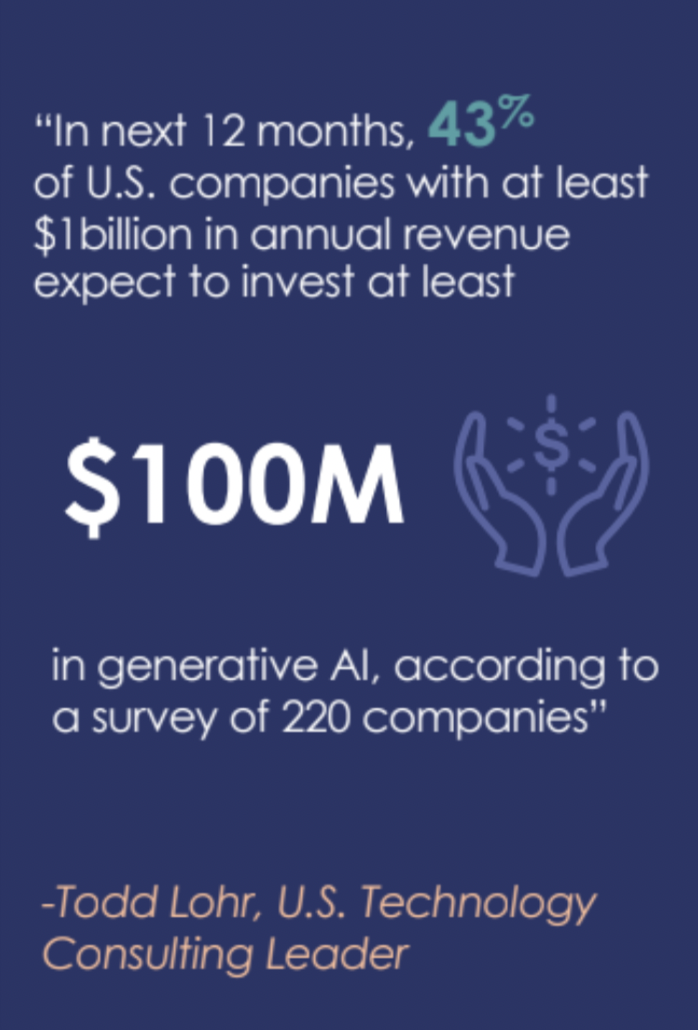
According to a survey of 220 companies published by KPMG, 43% of U.S. companies with at least $1 billion in annual revenue expect to invest at least $100 million in generative AI, highlighting the urgent need for comprehensive AI strategies and talent readiness.
Amir Hartman identifies several key factors that distinguish modern AI from its predecessors:
- Cost Decrease & Computing Power Surge: The affordability and power of computing resources have dramatically increased, making AI accessible to more organizations.
- Data Explosion from IoT/Digital Twins: The proliferation of IoT devices and digital twins generates vast amounts of data, providing rich resources for AI applications.
- Advanced ML & Agentic AI: Machine learning (ML) and agentic AI have advanced, enabling more sophisticated and autonomous systems.
- AI Meets Edge Computing: AI’s integration with edge computing allows for real-time data processing and decision-making.
- Generative AI’s Multimodal Potential: Generative AI can now handle multiple modes of data, expanding its applicability and impact.
These advancements mean that AI is a tangible reality that can drive significant business value when implemented correctly. However, the successful deployment of AI requires more than just technological capability; it demands a strategic approach that aligns with the organization’s goals and integrates seamlessly into its operations.
Crafting Effective AI Strategies
1. Identify the Problems to Solve
A successful AI strategy begins with a clear understanding of the business problems you aim to address. This ensures that AI initiatives are aligned with organizational goals and deliver measurable value.
2. Assess Organizational Readiness
Evaluate your organization’s readiness to adopt AI. This includes technical infrastructure, data quality, and the cultural readiness of your workforce. Training and change management are critical to ensure that your team can effectively leverage AI tools.
3. Embed AI into Workflows
Integrating AI into existing workflows is crucial for driving adoption and achieving desired outcomes. Embedding AI solutions within day-to-day operations ensures they become an integral part of the business process rather than isolated experiments.
4. Stakeholder Engagement
For AI initiatives to succeed, all stakeholders must be prepared to engage with and support these changes. This involves continuous communication, education, and involvement of key players from various departments.
5. Adopt an Ongoing Approach
AI strategy development is not a one-time effort but an ongoing journey. Continuous iteration, learning, and adaptation are essential as AI technologies evolve and business needs change.
Overcoming Common Challenges
Amir Hartman’s research highlights several challenges that organizations face when scaling AI across the enterprise:
POC Paralysis
Many companies get stuck at the proof-of-concept stage without advancing to full-scale deployment.
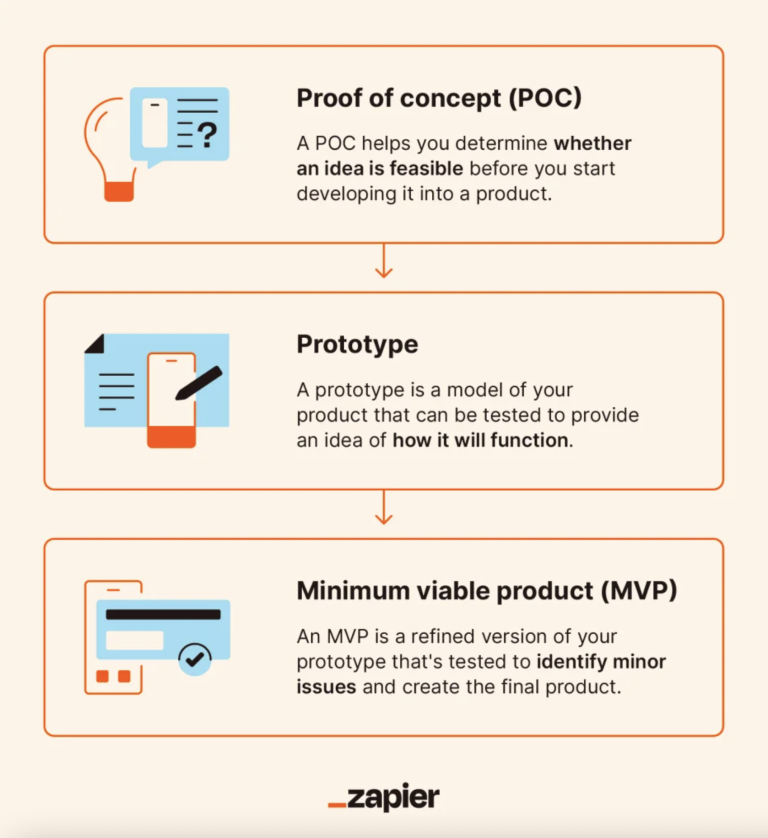
This phenomenon, often termed “POC Paralysis,” occurs when businesses hesitate to move beyond initial testing phases due to uncertainty or a lack of clear ROI.
Overcoming this requires a strategic shift from experimentation to execution, emphasizing the importance of setting clear metrics for success and maintaining momentum post-POC.
Lack of Workflow Integration
For AI to truly transform operations, it must be embedded into existing workflows. Without seamless integration, AI projects risk becoming siloed efforts that fail to deliver sustained value.
This means organizations need to rethink their processes and ensure that AI tools are not just add-ons but integral components of their daily operations. This integration helps in driving efficiency and allows employees to leverage AI capabilities without disrupting their usual work patterns.
Resource and Capability Gaps
Effective AI implementation necessitates a combination of the right tools and skilled personnel. Many organizations struggle with gaps in their resources, such as inadequate data infrastructure or a shortage of AI expertise.
Addressing this challenge involves investing in upskilling employees, fostering a culture of continuous learning, and ensuring that the necessary technological infrastructure is in place to support AI initiatives. This includes not only hardware and software, but also data governance and management practices.
Practical AI Use Cases in B2B
Drawing from Hartman’s presentation, here are some top AI enablement use cases in B2B industries:
Energy Management
AI applications like mCloud’s AssetCare optimize energy consumption and support Net Zero targets by digitizing assets and managing emissions. These applications enable facilities to identify opportunities for energy savings, act on these insights, and track performance over time.
For example, by using advanced sensors and AI algorithms, mCloud’s solutions can continuously monitor energy usage and emissions, providing actionable insights that help companies reduce their carbon footprint and achieve sustainability goals.
Marketing Functions
AI enhances content creation, collaboration, automation, data analysis, and personalization, driving efficiency and effectiveness across marketing operations. AI-powered tools can generate personalized content at scale, analyze customer data to refine marketing strategies, and automate routine tasks such as email campaigns and social media postings.
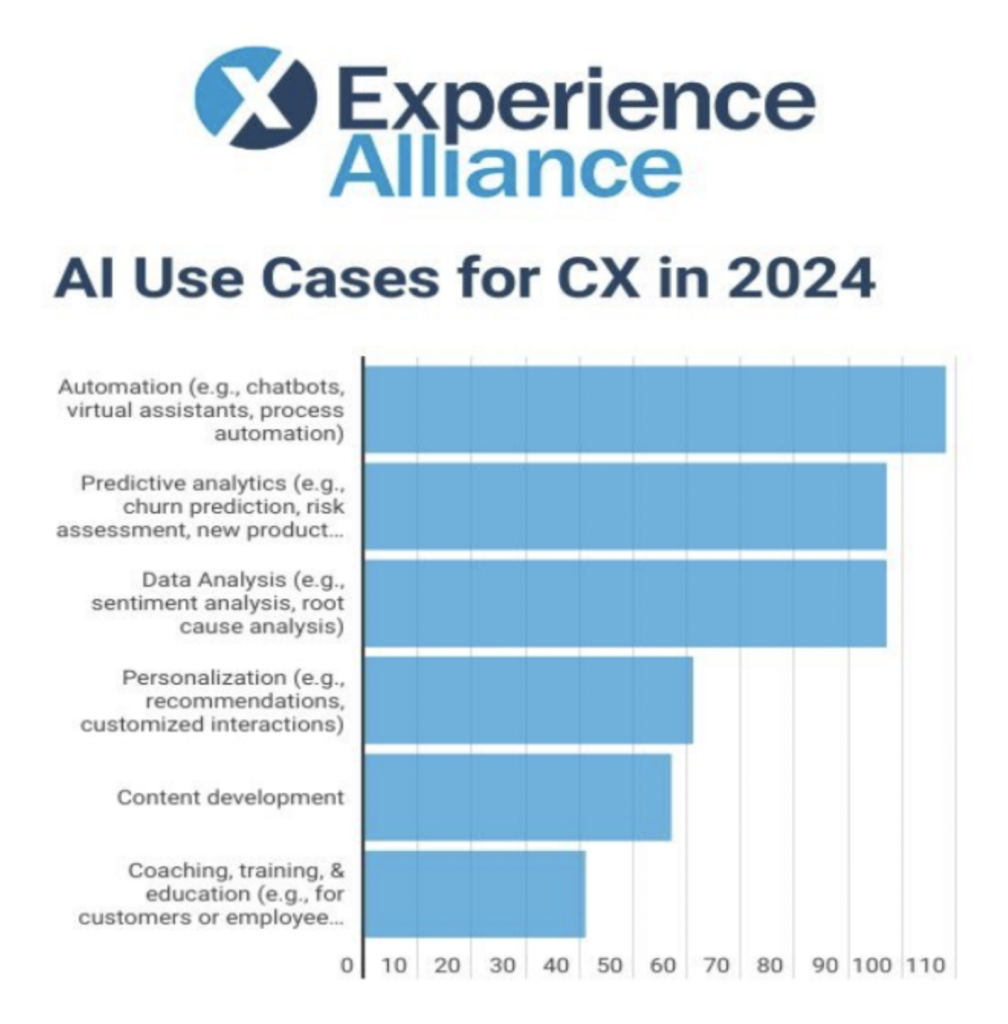
For instance, AI can help create highly targeted advertising campaigns by analyzing customer behavior and preferences, leading to higher engagement rates and better ROI.
Operational Efficiency
AI improves operational workflows, predictive maintenance, and asset performance, especially in industrial settings. By leveraging AI-driven predictive maintenance, companies can anticipate equipment failures before they occur, minimizing downtime and reducing maintenance costs.
Additionally, AI can optimize supply chain operations by predicting demand, managing inventory, and identifying inefficiencies. In industrial environments, AI can monitor machinery in real-time, detecting anomalies and suggesting corrective actions to maintain optimal performance.
Pave the Way for AI-Driven Success Today with ISBM
Crafting and executing effective AI strategies requires a clear understanding of the business context, a readiness to integrate AI into workflows, and a commitment to ongoing improvement. By learning from industry leaders like Amir Hartman and leveraging practical use cases, organizations can unlock the full potential of AI and drive significant business value.
Incorporating these insights will position your organization to harness the power of AI strategically and sustainably, ensuring long-term success and competitive advantage.
ISBM is a nonprofit, global network of business researchers and practitioners. Ask about how an ISBM Membership can help you now or visit ISBM today to learn more!